
If you’re planning to open up your living space, one of the first questions you might ask is: “Do I need building regulations to remove an internal wall?”
The short answer is — it depends. The requirement for approval is determined mainly by whether your wall is load-bearing or non-load-bearing. Understanding this distinction is essential before any demolition begins to keep your home safe, compliant, and insurable.
What Counts as an Internal Wall Alteration?
Load-Bearing vs Non-Load-Bearing Walls
A load-bearing wall supports structural elements above — such as floors, ceilings, or even the roof. Removing it without adequate support could compromise your property’s stability.
A non-load-bearing (stud) wall, typically made of timber or metal frames with plasterboard, only divides rooms and doesn’t carry significant weight. These are generally easier to remove, though certain fire-safety or layout changes can still trigger building-control requirements.
Structural Alterations – Openings, RSJs and Beams
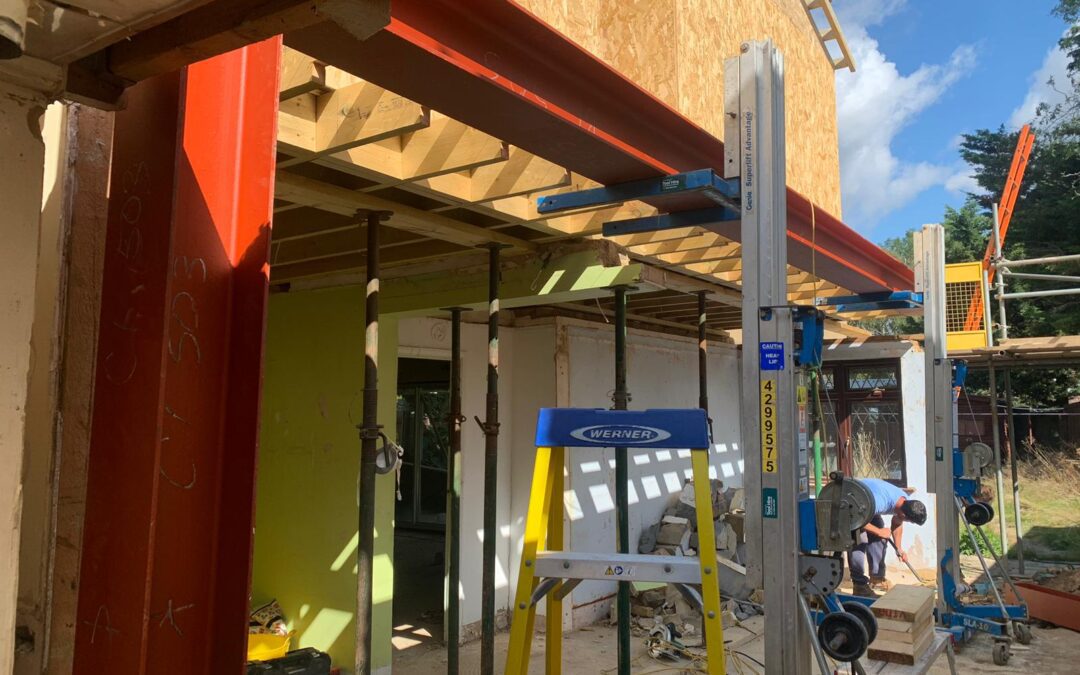
Even if you’re only creating a new doorway or widening an opening, it’s classed as a structural alteration. In most cases, this means you’ll need:
-
Structural calculations from a qualified engineer.
-
A building-control application and inspection.
-
Installation of a steel beam (RSJ) or lintel to safely transfer the load.
Why Building Regulations Matter When Removing a Wall
Structural Integrity & Safety
Building Regulations exist to ensure your home remains structurally sound after alteration. Poorly supported walls can lead to sagging ceilings, cracked plaster, or even collapse — issues that are both dangerous and expensive to fix.
Fire Safety & Means of Escape
Altering internal layouts may change fire-escape routes or expose staircases. Building Control officers check that fire doors, smoke alarms and protected corridors remain adequate for safe evacuation.
Insurance, Resale & Legal Implications
If you carry out structural work without approval, your home insurance could be invalidated. You may also face problems when selling, as surveyors and solicitors routinely request Building Regulations certificates.
When You Do Need Building Regulations Approval
Removing or Altering Load-Bearing Walls
Any wall that carries load from the floors or roof will require approval. The process usually involves:
-
Appointing a structural engineer for calculations.
-
Submitting an application to Building Control or an Approved Inspector.
-
Installing the new support (such as a steel beam).
-
Inspection and certification upon completion.
Walls Affecting Staircases or Flats
In multi-storey homes or flats, internal walls may form part of the fire-protection structure. Even small changes here require assessment and sign-off.
When You Might Not Need Building Regulations Approval
Removing a Non-Load-Bearing Partition Wall
If a wall is confirmed as non-structural, Building Regulations consent is often unnecessary.
However, you should still check that:
-
It doesn’t contain essential wiring or pipework.
-
Removing it won’t affect fire-compartmentation.
-
You keep sufficient ventilation and lighting in the altered rooms.
Typical Exemptions – But Check First
Lightweight stud walls or the removal of simple cupboards and en-suites can sometimes be exempt. When in doubt, speak with Building Control — it’s better to confirm early than face costly retrospective approval later.
How to Comply: Step-by-Step Guide for Homeowners
1. Appoint a Structural Engineer for Assessment
Before any work begins, a structural engineer should determine whether the wall is load-bearing. They’ll calculate the size of any required beams or columns.
2. Submit Plans to Building Control or an Approved Inspector
Provide the engineer’s calculations and drawings to your local authority or a private inspector. Approval can be sought under the Building Notice or Full Plans route, depending on the project complexity.
3. Carry Out the Work & Obtain Certification
Once approved, your builder can proceed. A Building Control surveyor will inspect the beam installation and, once satisfied, issue a Completion Certificate confirming compliance.
Risks of Non-Compliance & What to Watch Out For
Cost & Delay of Retrospective Approval
If you remove a structural wall without consent, you may have to pay for a Regularisation Certificate, plus open up finished work for inspection — doubling both cost and disruption.
Impact on Insurance & Property Sale
Lack of approval can void home insurance or stall a sale, as buyers’ solicitors often demand evidence of Building Control sign-off before completion.
Regional Considerations: London & Surrey Homeowners
Party Wall Agreements & Shared Walls
If your project affects a wall shared with a neighbour, the Party Wall etc. Act 1996 applies. Formal notice and consent are required before work begins.
Typical Costs for Engineering & Approval
Expect to budget:
-
Structural Engineer: £250 – £600
-
Building Control Fees: £200 – £500
-
Steel Beam Supply & Installation: £1,000 – £2,000 +
KT5 Construction can coordinate all stages — ensuring your project remains safe, compliant, and on budget.
Regional Considerations: London & Surrey Homeowners
Do I Need Planning Permission to Remove an Internal Wall?
Generally no, unless your property is listed, in a conservation area, or you live in a flat where changes might affect shared structures or fire safety.
What If I’m Told Building Regs Aren’t Needed But They Are?
If you later discover that approval should have been sought, contact Building Control immediately. They may still grant regularisation after inspection.
Can I Remove a Stud Wall Without Building Regs?
Usually yes, provided it’s non-load-bearing and doesn’t compromise fire safety or escape routes. Always check with a professional before you start.
Ready to Proceed? KT5 Construction Can Help You Safely Remove an Internal Wall
Removing an internal wall can dramatically transform your home — but it must be done properly. At KT5 Construction, we handle every step of the process, from structural engineering and Building Regulations submissions to safe, high-quality construction.
Our team serves London and Surrey, providing expert guidance, transparent pricing and certified compliance. Contact us today for a free consultation and let’s open up your space the right way — safely, legally, and beautifully.
Recent Comments